Desert Lake Technologies
Klamath Lake AlgaeTM

button_prodlist_kla.gif

Only registered wholesale customers
have access to the Product Price List

Please contact our sales
department to establish an account
via email or phone 800-736-2379


Click here for purchasing policies  

† Information provided on this site is for educational purposes only and not intended as a substitute for professional medical advice. These statements have not been evaluated by the Food and Drug Administration and are not intended to diagnose, treat, cure or prevent disease. Consult with your physician or healthcare professional for diagnosis of medical problems or prescribed treatments.

Klamath Lake AlgaeTM

Klamath Lake AlgaeTM

Klamath Lake AlgaeTM is whole cell wild Aphanizomenon flos-aquae (AFA), containing a bounty of vital nutrients and bioactive molecules including phycocyanin, carotenoids, and unique polysaccharides.

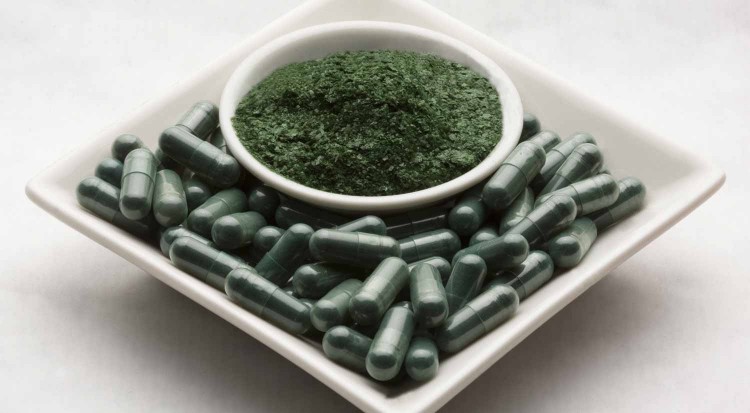
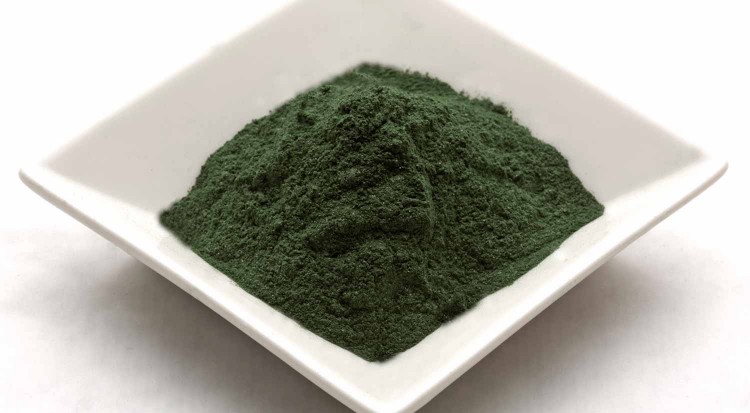
product_order_kla_capsules.jpg    product_order_kla_powder.jpg

Klamath Lake AlgaeTM  Health Benefits

• Supplements diet by providing well rounded nutrients
• Supports a healthy immune system
• Increases mental acuity by providing nutrients essential for brain function
• Provides antioxidant protection against free radicals
• Helps elevate mood and perception of well-being
• Assists in controlling chronic inflammation

Klamath Lake AlgaeTM Key Properties

Klamath Lake AlgaeTM is whole cell wild Aphanizomenon flos-aquae (AFA), collected from Upper Klamath Lake and dried using the proprietary DLT HydroDriTM drying method. AFA belongs to a group of organisms called cyanobacteria, which are some of the most nutrient rich organisms on earth.

Klamath Lake AlgaeTM contains a wide assortment of vital nutrients and bioactive molecules including phycocyanin, unique polysaccharides, carotenoids, and phenylethylamine. It also contains many high-quality proteins, a variety of minerals and other valuable phytonutrients. Aside from just adding good supplemental nutrition to a person's diet, the importance of these specialized compounds has been well documented in scientific literature.

Scientific research has shown many compounds found in AFA have strong anti-inflammatory properties, which work through a synergistic nature to help alleviate the chronic inflammation many people encounter daily. These include the COX-2 inhibitor Phycocyanin, and anti-inflammatory properties of the different carotenoids contained in AFA. While Phycocyanin inhibits COX-2 these other compounds work by inhibiting other aspects of the inflammatory cascade, including inhibition of Lipoxygenase, and reducing inflammatory behavior of cells involved in inflammatory reactions.

Many of the compounds also serve as broad-spectrum antioxidants to help protect cells from damaging free radicals continually produced in the body. Some compounds also function as strong immune modulators, which research has been shown to support immune surveillance. These compounds can activate aspects of the immune system involved in both the anti-bacterial and anti-viral immune defense mechanisms. The complex polysaccharides found in AFA are an example of these unique compounds. Research done specifically on the polysaccharides in Klamath Lake AlgaeTM showed strong support of the activation of Natural Killer (NK) cells in laboratory tests. NK cells serve as a vital first defense against cancerous and infected cells.

Another important compound found in AFA is phenylethylamine. Although it is found in other foods like chocolate, AFA supplies a much higher level and is actually the highest known natural source. Phenethylamine has gained significant notoriety in recent years as it is now thought to play an important role in depression and other psychiatric disorders. By measuring its metabolites, low levels of endogenous PEA have been documented in cases of attention deficient hyperactivity disorder (ADHD) and PEA supplementation has been used to treat clinical depression.

Product Characteristics

Klamath Lake Algae™     

Order                            Nostocaceae    

Family                          Aphanizomenon

Genus                           Aphanizomenon

Species                         flos aquae

Physical Characteristics

Appearance                   Powder (2 - 70 mesh)

Color                             Dark Green

Odor / Taste                  Slight marine

Moisture                        2 - 7%

Density                         0.2 – 0.7 g/ml

Nutritional Information

Typical Composition               

Calories                        11.93

Calories from Fat           1.93

Total Fat                       0.21 g

      Saturated Fat          0.11 g

      Trans Fat                0.00 g

Cholesterol                    0.00 g

Sodium                         6.24 mg

Total Carbohydrates       0.57 g

      Dietary Fiber            0.15 g

      Sugars                    0.01 g

Protein                          1.90 g

Phycocyanin              360.00 mg 

Vitamins                                 

B1 (Thiamine)             360.00 mcg

B2 (Riboflavin)             770.00 mcg                         

B3 (Niacin)                    3.15 mg

B5 (Pantothenic Acid)    Not Tested

B6 (Pyridoxine)             11.40 mcg

B12 (Cobalamin)            4.29 mcg*       

E (alpha-tocopherol)       None Detected

C (Ascorbic Acid)           None Detected

Biotin                            Not Tested

Folic Acid                      Not Tested

Minerals                       

Calcium                        29.04 mg

Chromium                      2.73 mcg

Iron                                1.35 mg

Magnesium                    8.85 mg

Manganese                  79.50 mcg

Potassium                  366.30 mg

Selenium                       None Detected

Zinc                              27.00 mcg
* Note it has been documented that only a small portion in AFA is bioavailable.
              
Amino Acids

Aspartic Acid             194.40 mg

Threonine                   101.40 mg

Serine                          92.70 mg

Glutamic Acid            208.80 mg                                  

Proline                         55.80 mg

Glycine                        80.10 mg

Alanine                      133.80 mg

Valine                          84.00 mg

Methionine                   19.80 mg

Isoleucine                     85.50 mg

Leucine                      146.40 mg

Tyrosine                       92.70 mg

Phenylalanine               89.10 mg

Histidine                       25.50 mg

Lysine                          81.90 mg

Arginine                      169.50 mg
Microbiology

Total Plate Count                                   Less than 100,000 cfu/g

Total Coliforms                                      Less than 100 cfu/g

Mold & Yeast                                        Less than 1,000 cfu/g

S. Aureus                                             Less than 100 cfu/g

E. Coli                                                  Negative / 1 gram

Salmonella                                            Negative / 10 grams

Arsenic Inorganic                                   Not more than 2 ppm

Cadmium                                              Not more than 2 ppm

Lead                                                     Not more than 2 ppm

Mercury                                                Not more than 1 ppm

Microcystin Toxin                                  Not more than 1 ppm

Organophosphorus Pesticides                USP Guidelines

Organochloride Pesticides                      USP Guidelines

Pyrethroid Pesticides                             USP Guidelines

Regulatory Status & Safety

Stability Considerations                          Stable

Incompatibility with                                 None

Hazardous Decomposition Products        None known

Special Fire Fighting Procedures             None

Unusual Fire and Explosion Hazards       None

Hazardous Polymerization:                     Will not occur

Spill / Leakage Procedures                     If material is released or spilled:
                                                                        sweep up with broom and discard.          

                                                            Water disposal method:

                                                            Dispose of in accordance with

                                                            local, state and federal regulations

                                                            with regards to fruit, seed and 
                                                                       
vegetable handling.

Worker Skin Protection                          Normal work wear

Worker Eye Protection                           Goggles are recommended in all
                                                                       
manufacturing environments

Primary Route of Exposure                     Ingestion

Effects of Over Exposure                        None

Emergency First Aid Procedures             Flush eyes with large quantities of
                                                                       
water, rinse, rinse other areas    

                                                            with soap and water.

                                                            Drink large amounts of water.

Drying Method, Packaging, Storage, Shelf Life

Drying Method                                       DLT HydroDriTM

Packaging                                             Food grade Mylar bag 
                                                                        vacuum packaged

Storage Conditions                                Store in cool dry place, away from

                                                            extreme conditions of heat,

                                                            cold and moisture to prevent
                                                                        oxidation
and preserve quality.
                                                                        Do not store 
this product above 
                                                                        100F. Store in 
airtight containers
                                                                        away from most 
sources of light
                                                                        and heat. 


           Shelf Life                                  36 months from date of 
                                                           manufacture

Applications

           Available Forms                         Ground organic powder
                                                                       (2 kg minimum order)

                     
Typical Dose                              3 grams per day